


Manufacturing in Shenzhen: Why Global Companies Choose Shenzhen for Precision Production
March 11, 2026MetalKraft Precision
Why Surface Finishing Determines the Quality of Premium Metal Products
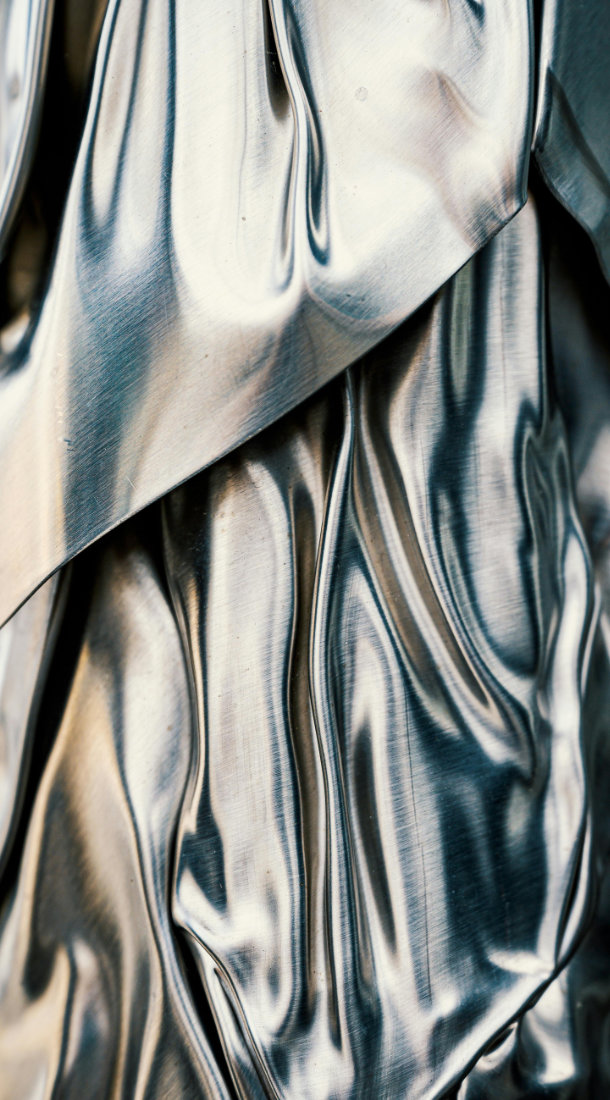
In many metal products, the surface finish is the first detail customers notice. While structural precision is critical, the visual and tactile qualities of a product often determine how it is perceived.
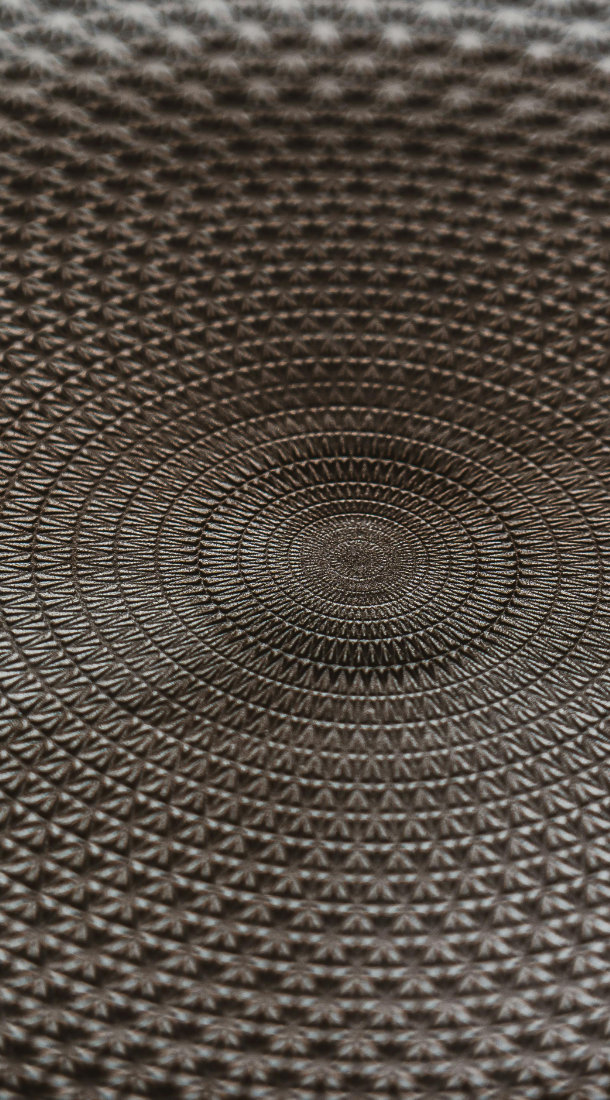
Texture, color tone, reflectivity, and durability all contribute to the final presentation of a metal component. For premium brands and design-focused products, surface finishing plays a crucial role in defining product quality.
Why Surface Finish Matters
Surface finishing affects both the appearance and the performance of a metal component.
A well-executed finish can:
- enhance corrosion resistance
- improve durability
- create distinctive visual identity
- increase perceived product value
Conversely, inconsistent finishes or poorly prepared surfaces can significantly reduce product appeal.
For companies building premium products, maintaining a consistent finish across production batches is essential.
Common Surface Finishing Processes
Several finishing techniques are commonly used in precision metal manufacturing.
Powder Coating
Powder coating provides a durable and uniform protective layer. It is widely used for both functional and decorative applications and is available in a wide range of colors and textures.
Titanium Anodization
Titanium anodization produces vibrant metallic colors through controlled voltage processes that alter the oxide layer on the material surface. This process does not rely on paint, allowing the metal to retain its natural properties while achieving distinctive coloration.
Electroplating
Electroplating deposits a thin layer of metal onto a component’s surface to improve corrosion resistance, conductivity, or visual appearance. Common plating materials include nickel, chrome, copper, and zinc.
PVD Coating
Physical Vapor Deposition (PVD) coatings are used to create durable, wear-resistant surfaces with premium metallic finishes. These coatings are frequently used in high-end consumer products and hardware.
The Importance of Surface Preparation
Surface finishing begins long before coatings are applied.
Processes such as polishing, brushing, and surface refinement are critical to achieving consistent results. Proper preparation ensures that coatings adhere correctly and that the final appearance is uniform across the product.
Inconsistent preparation is one of the most common causes of variation in finished products.
Maintaining Consistency Across Production
For companies producing branded products, maintaining finish consistency across batches is just as important as achieving the desired finish initially.
Factors such as coating thickness, surface preparation methods, and environmental conditions can influence final results.
By carefully coordinating fabrication and finishing within a controlled workflow, manufacturers can significantly reduce the risk of variation.
At MetalKraft Precision, finishing processes are coordinated from Shenzhen alongside fabrication to maintain visual consistency and production reliability.
BeArchitect
Check other
insights


BeArchitect
Make your supplier the right one